
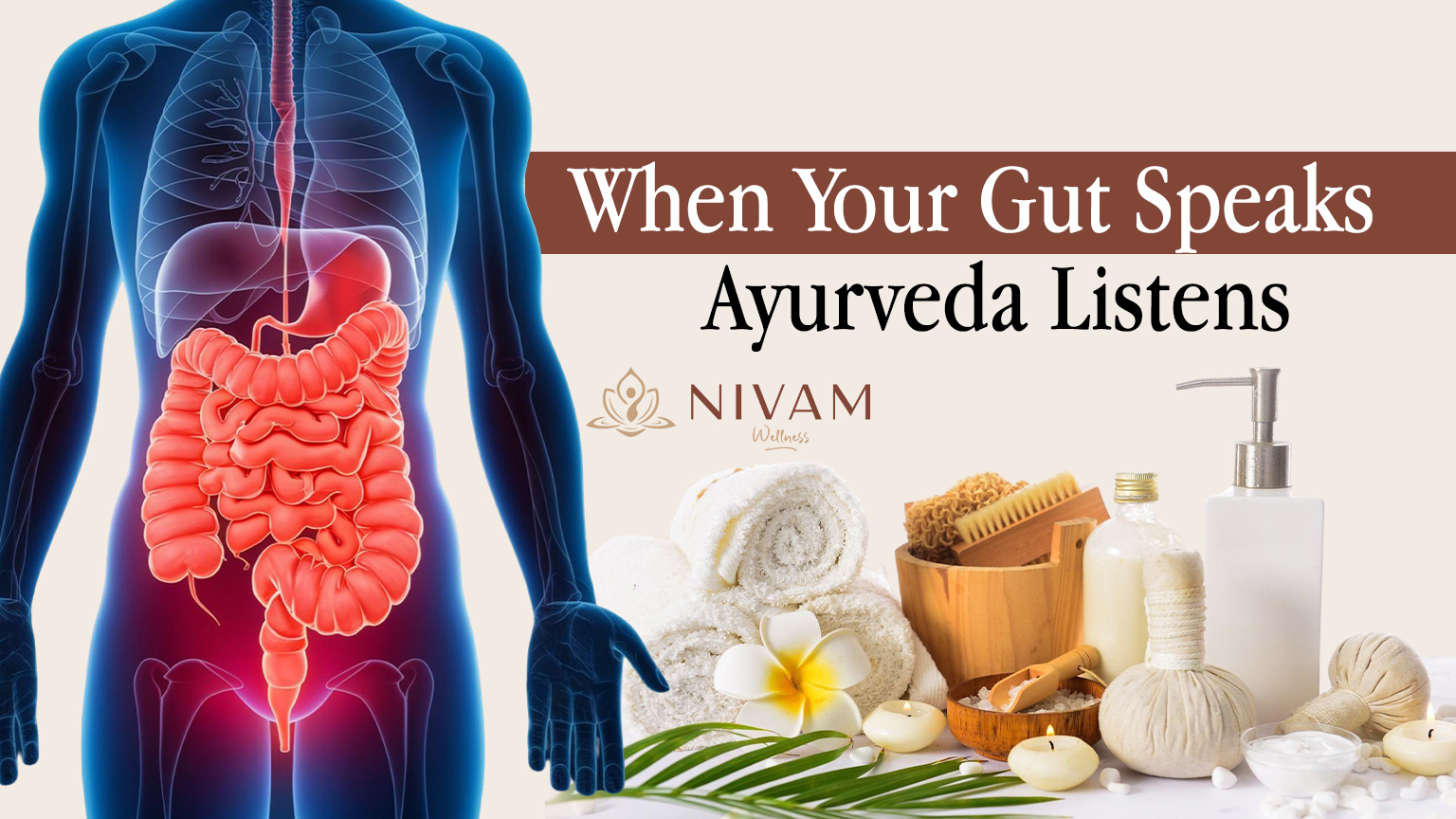
Heartburn after dinner. Bloating that turns your jeans into a struggle. The two o’clock energy crash. A stomach that never seems quite settled. If this sounds familiar, your gut is trying to tell you something — and ayurvedic treatment for gut health is built to listen. At Nivam Wellness in Gachibowli, Hyderabad, we help patients decode those digestive signals and restore balance from the root, not with endless antacids, but with a 5,000-year-old science that treats digestion as the cornerstone of every kind of health. Your Gut Is the Foundation of Health in Ayurveda Modern medicine is only now catching up to what Ayurveda has always said: the gut is the centre of your overall wellbeing. Research on the gut-brain axis, the microbiome, and leaky gut has confirmed that digestive health influences mood, immunity, skin, hormones, and even chronic disease risk.Ayurveda puts it simply. If your digestion is strong, you build good tissues, clear energy, and calm emotions. If your digestion is weak, you build toxins, fatigue, and eventually disease. Every classical ayurvedic treatment starts by asking one question before anything else: how is your digestion today? What Ayurveda Means by Agni (Digestive Fire) Agni is the ayurvedic term for your digestive fire — the biological capacity to transform food into nourishment. Think of it as the flame that cooks every meal you eat. When Agni is balanced, digestion feels effortless. When Agni is disturbed, even healthy foods create gas, heaviness, or discomfort. The Four Types of Agni and What They Mean for You Sama Agni is balanced digestion — the gold standard most of us rarely maintain. Vishama Agni is irregular (driven by Vata), causing bloating, gas, and constipation. Tikshna Agni is overactive (driven by Pitta), creating acidity, heartburn, and loose stools. Manda Agni is sluggish (driven by Kapha), producing heaviness, slow digestion, and weight gain. Your Vaidya identifies your Agni pattern in the very first visit. What Ayurveda Means by Agni (Digestive Fire) Agni is the ayurvedic term for your digestive fire — the biological capacity to transform food into nourishment. Think of it as the flame that cooks every meal you eat. When Agni is balanced, digestion feels effortless. When Agni is disturbed, even healthy foods create gas, heaviness, or discomfort. The Four Types of Agni and What They Mean for You Sama Agni is balanced digestion — the gold standard most of us rarely maintain. Vishama Agni is irregular (driven by Vata), causing bloating, gas, and constipation. Tikshna Agni is overactive (driven by Pitta), creating acidity, heartburn, and loose stools. Manda Agni is sluggish (driven by Kapha), producing heaviness, slow digestion, and weight gain. Your Vaidya identifies your Agni pattern in the very first visit. Ama — The Hidden Cause of Modern Gut Problems When Agni is weak, food is not digested fully. The undigested residue becomes a sticky, toxic substance called Ama. Ayurveda considers Ama the single biggest driver of modern chronic disease. A coated tongue in the morning, bad breath, heaviness after meals, and persistent fatigue are classic signs of accumulating Ama.Popping antacids or fibre supplements does not clear Ama. It has to be dissolved and removed through structured ayurvedic detoxification, which is exactly what Panchakarma and classical herbal protocols are designed to do. Ama — The Hidden Cause of Modern Gut Problems When Agni is weak, food is not digested fully. The undigested residue becomes a sticky, toxic substance called Ama. Ayurveda considers Ama the single biggest driver of modern chronic disease. A coated tongue in the morning, bad breath, heaviness after meals, and persistent fatigue are classic signs of accumulating Ama. Popping antacids or fibre supplements does not clear Ama. It has to be dissolved and removed through structured ayurvedic detoxification, which is exactly what Panchakarma and classical herbal protocols are designed to do. Common Gut Issues Treated with Ayurveda At our ayurvedic clinic in Gachibowli, these are the digestive complaints we see most often — each one clearly mapped to a classical ayurvedic condition. Acidity and Heartburn (Amlapitta) Burning in the chest, sour burps, and late-night heartburn point to aggravated Pitta. Ayurveda cools the digestive tract with herbs like Avipattikar churna and Shatavari, corrects meal timing, and removes trigger foods. Most patients feel real relief within two to three weeks without dependence on PPIs. Bloating and Gas (Adhmana) Tight, distended abdomen after meals usually signals Vata-driven Vishama Agni. We prescribe carminative herbs such as Hingvastak churna and Ajwain, warm cooked foods, and abdominal oil massage. Simple fixes like sipping warm ginger water before meals often transform how patients feel within days. Chronic Constipation (Vibandha) Irregular, hard, or incomplete bowel movements reflect dry Vata in the colon. Triphala at bedtime, castor oil therapy, adequate warm hydration, and medicated enemas (Basti) form the backbone of treatment. For chronic cases, a short Basti course produces results that laxatives cannot sustain. IBS and Grahani Irritable bowel syndrome maps closely to the classical condition Grahani, where the small intestine loses its ability to absorb nutrients. Ayurveda rebuilds the gut lining with Kutaja, Musta, and Bilva formulations, paired with a rice-and-buttermilk-based healing diet. Patients who have struggled for years with IBS often see lasting improvement. Leaky Gut and Food Intolerances Emerging research on intestinal permeability echoes ayurvedic thinking on Ama and weak Agni. Our protocols repair the gut barrier with ghee-based formulations, kitchari cleanses, and targeted Panchakarma. This is where modern functional medicine and classical Ayurveda speak almost the same language. Core Ayurvedic Therapies for Gut Healing Beyond herbs and diet, ayurvedic treatment for gut health draws on Panchakarma — classical cleansing therapies that reset digestion at a deep level. Deepana and Pachana (Kindling the Fire) Before any detox, we strengthen Agni and digest existing Ama. Herbs like Trikatu, Chitraka, and Musta gently kindle the digestive fire and prepare the body for deeper therapies. This preparatory phase is often where patients already start feeling lighter and clearer. Virechana (Therapeutic Purgation) Virechana uses medicated purgatives to clear Pitta and Ama from the liver, small intestine, and blood.
Ayurvedic Diet and Therapies for Managing High BP Naturally
High blood pressure, also known as hypertension, has become one of the most common health concerns in modern lifestyles. Long working hours, stress, unhealthy eating habits, and lack of physical activity can all contribute to rising blood pressure levels. While medications help control the condition, many people are now exploring natural approaches to support heart health. Ayurveda offers holistic solutions that focus on balancing the body, calming the mind, and improving overall circulation. At Nivam Wellness, Ayurvedic therapies combined with a balanced diet help individuals manage high blood pressure naturally while improving overall well-being. Understanding High Blood Pressure in Ayurveda In Ayurveda, hypertension is often linked to an imbalance in Vata and Pitta doshas. When these doshas become aggravated due to stress, improper diet, and lifestyle habits, it can lead to increased pressure in the blood vessels. This imbalance affects the nervous system and circulation, which may gradually raise blood pressure levels. Ayurvedic treatments aim to restore balance, improve blood flow, reduce stress, and remove toxins that affect cardiovascular health. Importance of Ayurvedic Diet for Blood Pressure Control Diet plays a significant role in managing blood pressure naturally. Ayurveda recommends foods that are fresh, light, and nourishing to maintain healthy circulation and support heart function. Foods That Help Manage High BP Certain foods help calm the nervous system and support healthy blood pressure levels. Recommended foods include: These foods provide essential nutrients that help maintain heart health and regulate blood pressure. Foods to Avoid Some dietary habits can aggravate blood pressure and should be limited. It is advisable to avoid: Reducing these foods helps prevent further strain on the cardiovascular system. Ayurvedic Therapies for High BP Management Along with diet, Ayurvedic therapies play a crucial role in reducing stress and improving circulation. These treatments help calm the nervous system and promote relaxation. Shirodhara (Oil Flow Therapy) Shirodhara is a deeply relaxing therapy where warm herbal oil is gently poured over the forehead in a continuous stream. Benefits of Shirodhara: This therapy is highly effective for individuals whose hypertension is related to stress. Abhyanga (Therapeutic Oil Massage) Abhyanga is a traditional Ayurvedic massage using warm herbal oils that nourish the body and improve circulation. Benefits of Abhyanga: Regular Abhyanga sessions help reduce physical and mental stress that contributes to high blood pressure. Panchakarma Detox Therapy Panchakarma is a comprehensive detoxification process that removes toxins from the body and restores balance. Benefits of Panchakarma: Detoxification plays an important role in long-term blood pressure management. Lifestyle Tips to Control High BP Naturally Ayurveda emphasizes the importance of healthy daily habits to support heart health and maintain balanced blood pressure. Helpful lifestyle practices include: These habits help calm the mind and support overall cardiovascular health. Natural Support for Heart Health Managing high blood pressure requires a balanced approach that addresses both physical and emotional well-being. Ayurvedic diet, therapies, and lifestyle changes work together to support healthy circulation and reduce stress naturally. At Nivam Wellness, personalized Ayurvedic therapies and wellness programs help individuals manage high blood pressure in a natural and holistic way. These treatments focus on restoring balance, improving relaxation, and supporting long-term heart health. If you are looking for a natural way to maintain healthy blood pressure levels, Ayurvedic care at Nivam Wellness can help guide you toward a healthier and more balanced lifestyle.
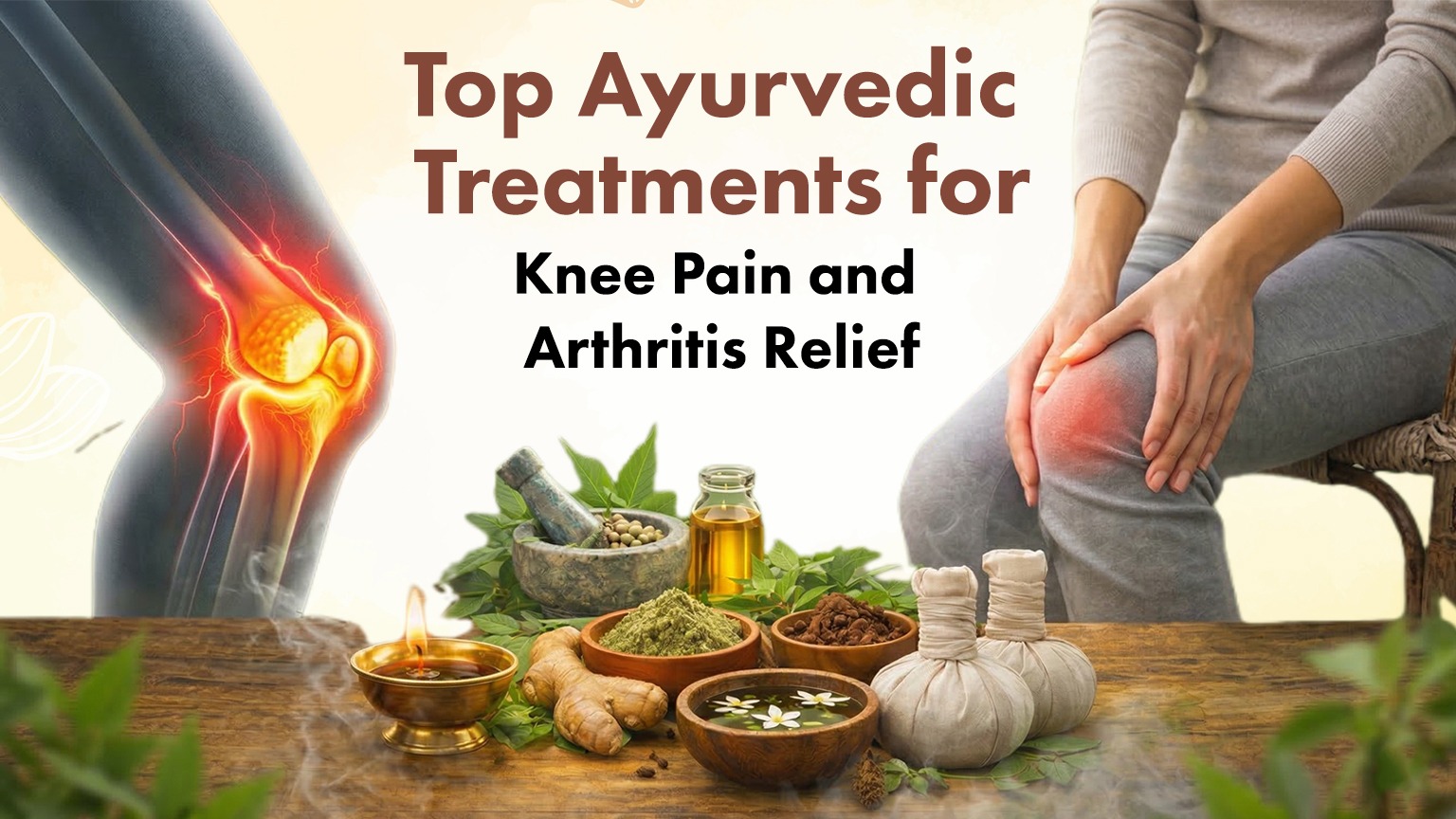
Top Ayurvedic Treatments for Knee Pain and Arthritis Relief
Knee pain and arthritis have become common health concerns affecting people of all ages. Long working hours, sedentary lifestyles, aging, and joint inflammation often lead to stiffness, swelling, and reduced mobility. While painkillers may provide temporary relief, they do not address the root cause of the problem. Ayurveda offers natural and holistic therapies that focus on reducing inflammation, improving joint flexibility, and strengthening the body. At Nivam Wellness, traditional Ayurvedic treatments help manage knee pain and arthritis through detoxification, herbal therapies, and therapeutic massages that restore balance in the body. Understanding Knee Pain and Arthritis in Ayurveda According to Ayurveda, knee pain and arthritis are mainly associated with an imbalance in Vata dosha, which controls movement and lubrication in the joints. When Vata increases in the body, it leads to dryness, stiffness, and pain in the joints. Over time, this imbalance can result in chronic conditions such as osteoarthritis. Ayurvedic treatments aim to reduce inflammation, improve circulation, nourish the joints, and remove toxins that accumulate in the body. 1. Janu Basti (Therapeutic Oil Pooling for Knee) Janu Basti is one of the most effective Ayurvedic therapies for knee pain. In this treatment, warm medicated oil is poured and retained over the knee joint using a dough ring. Benefits of Janu Basti: This therapy provides deep nourishment to the joint tissues and helps relieve chronic knee pain naturally. 2. Abhyanga (Ayurvedic Oil Massage) Abhyanga is a traditional full-body massage performed with warm herbal oils. The oils penetrate deep into the tissues and help relieve joint pain and stiffness. Benefits of Abhyanga: Regular Abhyanga sessions can significantly reduce the discomfort associated with arthritis. 3. Kizhi (Herbal Pouch Therapy) Kizhi therapy involves the application of warm herbal pouches filled with medicinal herbs and oils. These pouches are gently massaged over the affected joints to relieve pain and swelling. Benefits of Kizhi Therapy: This therapy is particularly beneficial for people suffering from arthritis-related pain. 4. Panchakarma Detox Therapy Panchakarma is a powerful Ayurvedic detoxification therapy that removes toxins (Ama) from the body. These toxins often accumulate in joints and cause inflammation and pain. Benefits of Panchakarma: By eliminating toxins, Panchakarma helps manage arthritis more effectively and prevents further joint degeneration. 5. Herbal Remedies and Ayurvedic Oils Ayurveda also uses herbal medicines and medicated oils that support joint health. Herbs like Ashwagandha, Guggulu, Shallaki, and Turmeric help reduce inflammation and strengthen the joints. Medicated oils such as Mahanarayana oil and Dhanwantharam oil are commonly used in therapies to nourish the joints and relieve pain naturally. Lifestyle and Diet Tips for Joint Health In addition to therapies, Ayurveda recommends certain lifestyle changes to manage knee pain and arthritis. Helpful tips include: These simple habits support joint health and enhance the effectiveness of Ayurvedic treatments. Natural Relief with Ayurvedic Care Knee pain and arthritis can significantly affect daily activities and quality of life. Instead of relying only on temporary solutions, Ayurvedic treatments provide long-term relief by addressing the underlying causes of joint pain. At Nivam Wellness, experienced therapists use authentic Ayurvedic therapies and personalized wellness plans to help individuals manage knee pain naturally. These treatments not only relieve discomfort but also improve overall mobility, strength, and well-being. If you are looking for a natural and holistic approach to joint care, Ayurvedic therapies at Nivam Wellness can help restore balance and support long-term joint health.
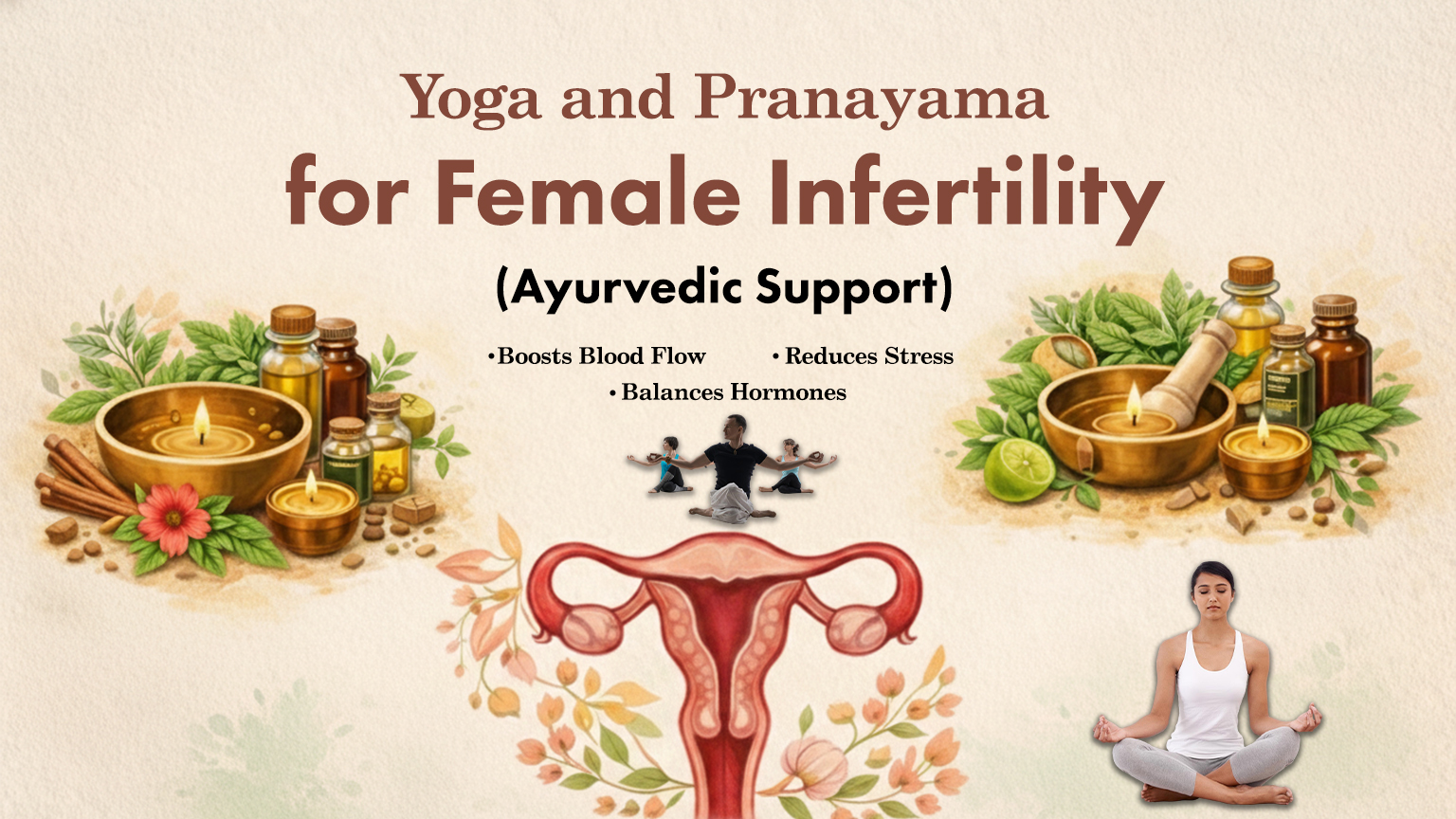
Yoga Therapy for Female Infertility
Yoga Therapy for Female Infertility in Hyderabad – A Natural Path to Motherhood at Nivam Wellness Infertility is becoming increasingly common among women due to stress, hormonal imbalance, lifestyle disorders, PCOS, thyroid issues, and delayed pregnancies. While medical treatments are available, many women are now turning toward holistic healing methods that address the root cause. One such powerful and natural approach is Yoga Therapy for Female Infertility in Hyderabad. At Nivam Wellness, we combine ancient yogic wisdom with Ayurvedic principles to support reproductive health naturally. Our personalized yoga therapy programs are designed to improve hormonal balance, enhance blood flow to reproductive organs, and reduce stress — all essential factors for conception. Understanding Female Infertility from a Holistic Perspective Female infertility is not just a reproductive issue. It is often linked to: Yoga works on both the physical and emotional levels. By improving circulation, regulating endocrine glands, and calming the nervous system, yoga therapy creates a supportive environment for natural conception. How Yoga Therapy Helps in Female Infertility 1. Improves Blood Flow to Reproductive Organs Certain yoga postures stimulate pelvic circulation, strengthening the uterus and ovaries. Improved blood flow enhances ovarian function and supports egg quality. 2. Balances Hormones Naturally Yoga influences the endocrine system, including the thyroid, pituitary, and adrenal glands. This helps regulate estrogen and progesterone levels. 3. Reduces Stress and Cortisol Levels Stress is a major contributor to infertility. Yoga and pranayama reduce cortisol levels, which directly supports hormonal harmony. 4. Supports PCOS and Irregular Cycles Women with PCOS benefit greatly from structured yoga therapy as it improves insulin sensitivity and regulates menstrual cycles. This is why many women seek Yoga Therapy for Female Infertility in Hyderabad as a complementary and natural solution. Best Yoga Asanas for Female Infertility At Nivam Wellness, our experts guide patients through safe and effective postures such as: Each posture is practiced under supervision to ensure safety and maximum benefit. Ayurvedic Support Along with Yoga At Nivam Wellness, yoga therapy is often combined with Ayurvedic guidance for enhanced results. This may include: This integrated approach ensures deeper healing rather than temporary symptom relief. Who Can Benefit from Yoga Therapy? Yoga therapy is suitable for women experiencing: It can be practiced safely under expert supervision at Nivam Wellness. Why Choose Nivam Wellness for Yoga Therapy in Hyderabad? ✔ Experienced yoga and Ayurvedic experts✔ Personalized fertility-focused sessions✔ Holistic healing approach✔ Safe and natural methods✔ Supportive environment for women We focus on treating the root cause rather than just managing symptoms. How Long Does It Take to See Results? Results vary depending on the condition and consistency of practice. Generally: Consistency and expert guidance are key. Final Thoughts Infertility can be emotionally challenging, but natural healing methods offer hope and empowerment. Yoga Therapy for Female Infertility in Hyderabad provides a gentle yet powerful way to restore balance, improve reproductive health, and enhance overall well-being. At Nivam Wellness, we are committed to supporting women on their journey toward motherhood through safe, natural, and holistic practices. If you are looking for a natural approach to fertility care, connect with Nivam Wellness today and begin your healing journey.
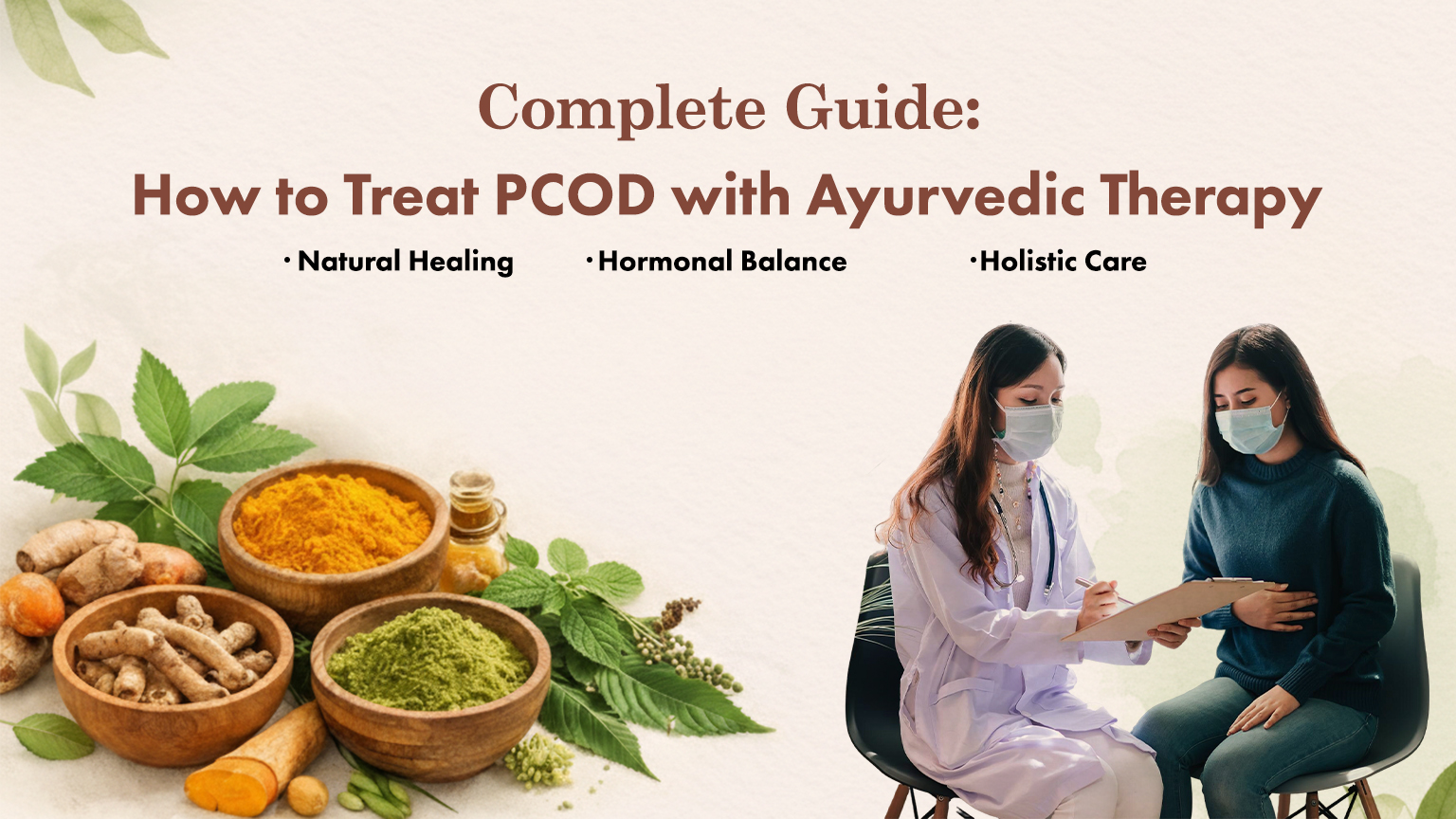
Best Ayurvedic Treatment for PCOD
Polycystic Ovarian Disease (PCOD) has become one of the most common hormonal disorders affecting women today. Irregular periods, weight gain, acne, hair fall, mood swings, and difficulty in conceiving are some of the distressing symptoms many women face. While modern medicine often focuses on managing symptoms, Ayurveda aims to treat the root cause. At Nivam Wellness, we believe in natural healing, hormonal balance, and holistic care. This blog explains the Best Ayurvedic Treatment for PCOD, how it works, and why it offers long-term results. What is PCOD According to Ayurveda? In Ayurveda, PCOD is primarily linked to an imbalance of Kapha and Vata doshas. Poor digestion (Agni imbalance), toxin accumulation (Ama), and hormonal disturbance together contribute to cyst formation in ovaries. Unlike temporary solutions, Ayurvedic treatment focuses on: This is why many women now prefer the Best Ayurvedic Treatment for PCOD for sustainable recovery. Why Choose Ayurvedic Treatment for PCOD? Ayurveda treats PCOD as a systemic condition rather than just a reproductive issue. The goal is to correct lifestyle, diet, stress, and hormonal imbalances together. Benefits of Ayurvedic Treatment: ✔ No harsh chemicals✔ Minimal side effects✔ Natural hormone regulation✔ Improves fertility✔ Supports weight management✔ Enhances overall well-being At Nivam Wellness, treatment plans are personalized based on body constitution (Prakriti) and severity of symptoms. Best Ayurvedic Treatment for PCOD at Nivam Wellness 1. Panchakarma Detox Therapy Panchakarma helps remove toxins (Ama) from the body and improves ovarian function. It includes: This detox process plays a crucial role in restoring hormonal balance. 2. Herbal Medicines for Hormonal Balance Ayurvedic herbs are powerful yet gentle. Some commonly used herbs in the Best Ayurvedic Treatment for PCOD include: At Nivam Wellness, herbal formulations are carefully prescribed after consultation. 3. Diet Therapy (Ahara Chikitsa) Food is medicine in Ayurveda. A PCOD-friendly diet includes: This improves insulin resistance and supports weight control. 4. Lifestyle Modifications (Vihara Chikitsa) Lifestyle correction is equally important. We recommend: Hormonal disorders are deeply connected to stress. Hence, mind-body balance is essential. 5. Fertility Support for PCOD Many women with PCOD struggle with ovulation issues. The Best Ayurvedic Treatment for PCOD also focuses on improving egg quality and ovulation naturally. At Nivam Wellness, fertility-focused therapies enhance: Symptoms That Need Immediate Attention If you are experiencing the following symptoms, consider early consultation: Early treatment prevents complications like infertility, diabetes, and metabolic disorders. How Long Does Ayurvedic Treatment Take? Unlike instant symptom relief medications, Ayurvedic healing works gradually but deeply. Consistency is key. At Nivam Wellness, regular follow-ups ensure steady improvement. Why Nivam Wellness is the Right Choice ✔ Experienced Ayurvedic doctors✔ Personalized treatment plans✔ Natural and safe therapies✔ Holistic approach✔ Focus on root-cause healing We combine traditional Ayurvedic wisdom with modern diagnostic understanding to deliver safe and effective care. Final Thoughts PCOD is not just a hormonal issue — it is a lifestyle and metabolic imbalance. The Best Ayurvedic Treatment for PCOD focuses on cleansing, nourishing, and balancing the body naturally. If you are tired of temporary solutions and want a long-term, safe approach, Nivam Wellness offers holistic Ayurvedic care designed especially for women’s health. FAQs – Best Ayurvedic Treatment for PCOD 1. Is Ayurvedic treatment safe for PCOD?Yes, Ayurvedic treatment uses natural herbs and therapies that are generally safe under expert supervision. 2. Can Ayurveda cure PCOD permanently?Ayurveda aims to correct root imbalances, which can significantly improve or reverse symptoms naturally. 3. Does Ayurvedic treatment help with fertility in PCOD?Yes, it improves ovulation and hormonal balance, supporting natural conception. 4. Will I need long-term medication?Treatment duration depends on severity, but gradual reduction is possible as symptoms improve. 5. Can I take Ayurvedic treatment along with allopathy?In many cases yes, but consultation is necessary to avoid interactions.